
 See Our Latest Article on HelloNation

How Do Chiropractic Approaches Offer Alternatives to Surgery?
Chiropractic care focuses on conservative management of musculoskeletal problems, which means treatment without drugs or surgery. For local residents, this includes addressing back, neck, or joint pain using methods that help restore movement and reduce discomfort. Many people consider these approaches before surgery, especially for conditions that develop due to everyday activities, local weather shifts, or repetitive household tasks.
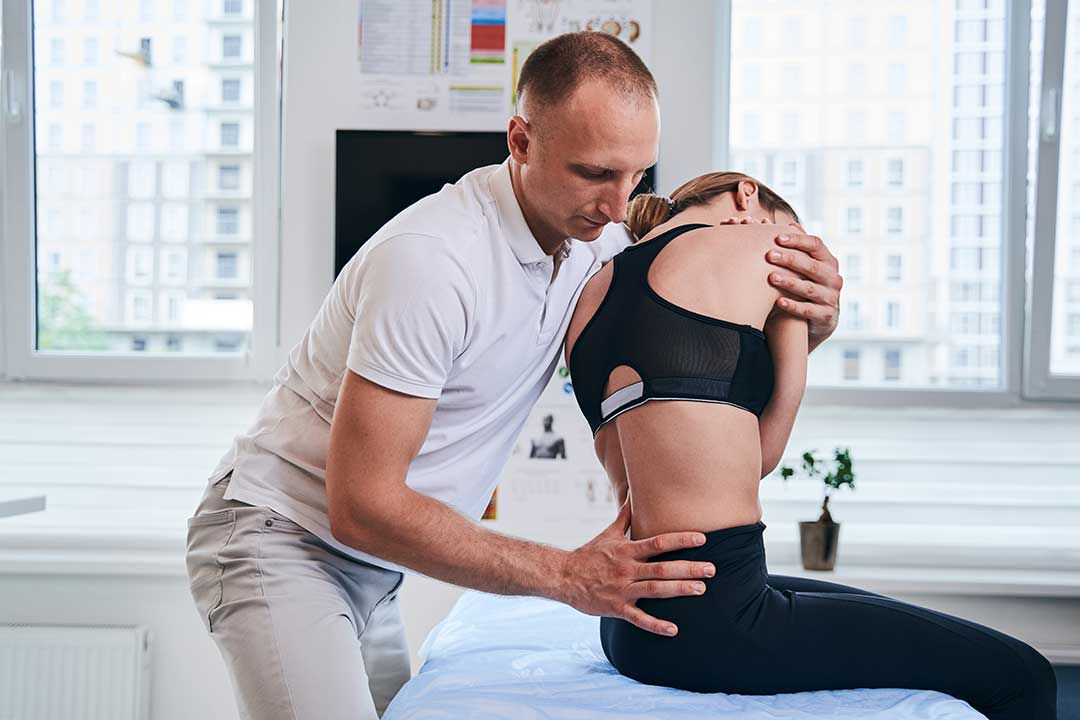
Rather than correcting a problem with an operation, chiropractic care uses hands-on techniques and movement-based therapies to support the body’s natural healing processes. This local option can be attractive for those in the community looking to avoid or delay surgical procedures.
Which Conditions Commonly Respond to Chiropractic Care Instead of Surgery?
Chiropractic treatment is often considered for a wide range of musculoskeletal complaints, such as:
- Persistent low back pain
- Neck discomfort from poor posture or minor injuries
- Sciatica or nerve irritation in the legs
- Repetitive strain aches from gardening, snow shoveling, or home maintenance
While some severe injuries or conditions may ultimately require surgery, many residents find that focused manual therapy, exercise guidance, and lifestyle modifications can noticeably improve symptoms. This is especially relevant in a city with a mix of home layouts, weather changes, and diverse daily routines that can strain the body in different ways.
What Are Typical Nonsurgical Techniques Used by Chiropractors?
The core of chiropractic care involves manual adjustments, but treatment plans often include several additional components tailored to individual needs:
- Spinal adjustments to improve mobility and alignment
- Targeted exercises to strengthen weak areas and prevent reinjury
- Gentle stretching routines for flexibility, especially after long winters indoors
- Advice on posture, footwear, or ergonomic modifications for household chores
- Recommendations for ice or heat, depending on the season or type of discomfort
Some misconceptions exist about adjustments being forceful or unsafe. In reality, most care is gentle and adapted to each person’s comfort and health status. Residents concerned about specific techniques can discuss alternative approaches, such as instrument-assisted adjustments or soft tissue therapies.
Are There Risks or Limitations to Nonsurgical Chiropractic Methods?
While chiropractic care is low-risk for most healthy adults, it is not a universal replacement for surgery. Some conditions—like fractures, infections, or severe nerve involvement—require medical or surgical intervention for safety and effectiveness. It is also possible that chiropractic care may not fully resolve symptoms; in these situations, ongoing monitoring or imaging may be suggested to track progress.
Communication about current health conditions, medications, and history of surgeries is crucial, as it helps the provider avoid contraindications and select the safest course. Residents with complex health histories should be prepared to share relevant background for the best outcomes.
How Do Local Factors Affect the Choice Between Chiropractic Care and Surgery?
Residents in this region may experience unique stressors on musculoskeletal health—such as lifting during seasonal yard work, slips on ice, or carrying groceries on uneven paths. Chiropractic techniques can provide adaptable, context-specific support to address these everyday risks. For aging adults or those hesitant about surgery, conservative care may offer a reasonable first step, especially for managing flare-ups triggered by environmental or lifestyle changes.
Transportation and access also factor into decisions. With community resources sometimes limited outside of larger hospital systems, people often weigh convenience, recovery time, and personal support networks when choosing between conservative care and operative procedures.
What Are Signs That Nonsurgical Care May Not Be Enough?
Surgery may become necessary if:
- Pain remains severe after a thorough trial of conservative care
- Weakness, numbness, or loss of bladder/bowel control develops
- Diagnostic tests reveal issues that cannot be resolved without structural repair
- Symptoms quickly worsen or interfere with daily function despite ongoing therapy
Recognizing these changes early and seeking prompt evaluation is wise. Care decisions should balance comfort, mobility, and long-term health rather than rushing toward invasive solutions unless clearly necessary.
Can Nonsurgical Care Be Combined with Other Community Health Resources?
Yes, collaborative strategies are common. Residents sometimes use chiropractic care alongside:
- Physical therapy for guided rehabilitation
- Medical management for inflammatory conditions
- Community fitness groups to build strength and resilience
- Educational workshops on safe movement, especially after local injuries
This combined approach enables more sustainable outcomes and helps manage flare-ups from everyday activities—creating a pathway for many to maintain or regain independence without surgery unless absolutely required.
