
 See Our Latest Article on HelloNation
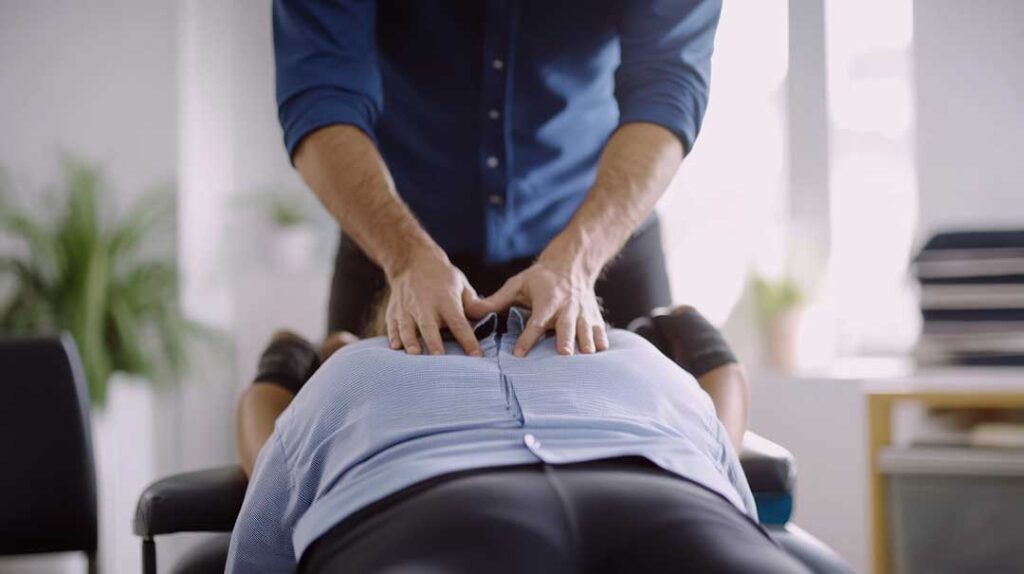
Sports injuries range from a mild muscle strain after an unexpected sprint to a more persistent problem caused by repeated stress. Chiropractic care may support recovery for some musculoskeletal injuries, particularly when treatment includes movement assessment, exercise, and gradual return to activity. It is not a replacement for emergency care, imaging, surgery, or concussion management when those are needed.
For residents in Montgomery, NY, sports-related pain may arise from school athletics, recreational leagues, running, cycling, strength training, hiking, seasonal outdoor activities, or physically demanding work. The most useful treatment depends on the injured tissue, the severity of the problem, and whether the injury is new, recurring, or related to overuse.
What types of sports injuries may benefit from chiropractic care?
Chiropractic care is most relevant to injuries involving muscles, joints, ligaments, tendons, and movement patterns. Examples may include uncomplicated back pain, neck stiffness, joint restrictions, some muscle strains, and certain overuse-related problems.
A careful evaluation should come before treatment. The assessment may consider:
- How the injury happened
- Whether swelling, bruising, weakness, or instability is present
- Which movements increase or reduce symptoms
- Strength, balance, coordination, and joint motion
- Training volume, equipment, recovery, and previous injuries
Manual treatment may include joint mobilization, spinal manipulation, soft-tissue techniques, or other hands-on methods. These approaches are generally intended to reduce pain, improve short-term movement, and make active rehabilitation easier. Evidence for spinal manipulation is strongest for some forms of low-back pain rather than for every type of sports injury. The National Center for Complementary and Integrative Health describes spinal manipulation as one option that may help some adults with acute or chronic low-back pain, while also noting that evidence strength is limited. ([nccih.nih.gov](https://www.nccih.nih.gov/health/spinal-manipulation-what-you-need-to-know?6df6a1c6_page=3&utm_source=openai))
How can treatment help during the early phase?
In the first few days after an injury, the main goals are protecting the area, controlling symptoms, and avoiding unnecessary loss of movement. Chiropractic care may help identify whether the problem appears appropriate for conservative management or whether medical evaluation is more urgent.
Treatment during this phase should not force painful motion or attempt to “push through” a suspected fracture, major ligament tear, dislocation, or severe muscle injury. Depending on the condition, the appropriate plan may involve relative rest, gentle motion, compression, activity modification, or referral for imaging.
For example, a person who develops back pain after lifting may benefit from a movement assessment and a gradual exercise plan. A person who lands awkwardly and cannot bear weight may need prompt medical evaluation rather than manual treatment.
Early attention can also help identify patterns that increase the risk of worsening symptoms. A recent review of sports-injury prevention research found that early symptom recognition, strength testing, and early rehabilitation are useful areas of focus, although the research base remains developing. ([pubmed.ncbi.nlm.nih.gov](https://pubmed.ncbi.nlm.nih.gov/41098638/?utm_source=openai))
Why are exercises usually part of recovery?
Hands-on care alone does not rebuild strength, coordination, or tolerance for sport. Exercise is usually the part of rehabilitation that prepares an athlete to resume the movements that caused symptoms in the first place.
A rehabilitation program may progress through several stages:
1. Gentle range-of-motion exercises
2. Isometric or low-load strengthening
3. Balance and coordination work
4. Sport-specific drills
5. Gradual increases in speed, resistance, distance, or duration
The exact progression depends on the injury. Someone recovering from an ankle sprain may need balance and single-leg control. Someone with back pain may need trunk endurance, hip strength, and practice with lifting mechanics. A tennis or racquet-sport participant may require shoulder, elbow, and upper-back exercises.
Sports rehabilitation is different from simply waiting until pain decreases. The injured area must gradually tolerate the physical demands of practice and competition. Rehabilitation literature emphasizes structured, sport-specific preparation rather than relying only on symptom relief. ([pmc.ncbi.nlm.nih.gov](https://pmc.ncbi.nlm.nih.gov/articles/PMC5609374/?utm_source=openai))
Can chiropractic care prevent sports injuries?
Chiropractic care may contribute to injury-risk reduction when it is part of a broader plan that includes strength training, mobility, sleep, warm-ups, workload management, and proper technique. It should not be presented as a guarantee against injury.
Prevention often depends on practical factors such as:
- Increasing training volume gradually
- Allowing recovery between demanding sessions
- Replacing worn or poorly fitting equipment
- Addressing repeated pain early
- Building strength in areas that control the affected joint
- Practicing landing, cutting, lifting, or throwing mechanics

Claims that spinal adjustments directly improve athletic performance should be treated cautiously. A review of the available sports literature found insufficient evidence to convincingly show that chiropractic treatment directly enhances performance. That is different from helping a person move more comfortably or participate in a rehabilitation program. ([pmc.ncbi.nlm.nih.gov](https://pmc.ncbi.nlm.nih.gov/articles/PMC2989393/?utm_source=openai))
When is chiropractic care not the right first step?
Some injuries require urgent medical assessment. Warning signs include severe deformity, inability to use an extremity, rapidly increasing swelling, numbness, loss of strength, suspected fracture, chest pain, severe headache after impact, fainting, or confusion.
Concussion deserves special caution. A person with a possible concussion should follow established concussion assessment and return-to-play procedures. Neck treatment should not be used as a substitute for evaluating symptoms such as confusion, repeated vomiting, worsening headache, unusual drowsiness, seizure, or loss of consciousness. Research on chiropractic care for concussion has been limited, and concussion management should follow current medical and sports-safety guidance. ([pubmed.ncbi.nlm.nih.gov](https://pubmed.ncbi.nlm.nih.gov/24396325/?utm_source=openai))
Persistent pain also deserves reassessment. Symptoms that do not improve as expected, repeatedly return, or interfere with sleep and normal activity may indicate a more significant tendon, ligament, bone, nerve, or joint problem.
What should an athlete expect from a careful evaluation?
A responsible evaluation should explain what appears to be injured, what remains uncertain, and which activities are safe for now. It should also include a plan for monitoring progress.
Useful questions include:
- What movements should be limited temporarily?
- Which exercises are appropriate at this stage?
- What symptoms indicate that activity is progressing too quickly?
- When can running, lifting, practice, or competition resume?
- Is imaging or evaluation by another clinician warranted?
A gradual return is usually safer than testing the injury at full intensity. Pain that increases during activity, changes movement mechanics, or remains worse the next day may signal that the workload needs to be reduced.
For local athletes, seasonal changes can affect routines. Outdoor training may shift indoors during colder months, while spring and summer activities can lead to sudden increases in running, field sports, cycling, or yard-related exertion. Moving from a low-activity period directly into intense training is a common setup for preventable overuse problems.
Chiropractic care can be one part of sports-injury recovery when the problem is appropriate for conservative treatment and the plan includes active rehabilitation. The most dependable approach combines accurate assessment, clear safety limits, progressive exercise, and coordination with medical care when symptoms suggest something more serious.
