
 See Our Latest Article on HelloNation
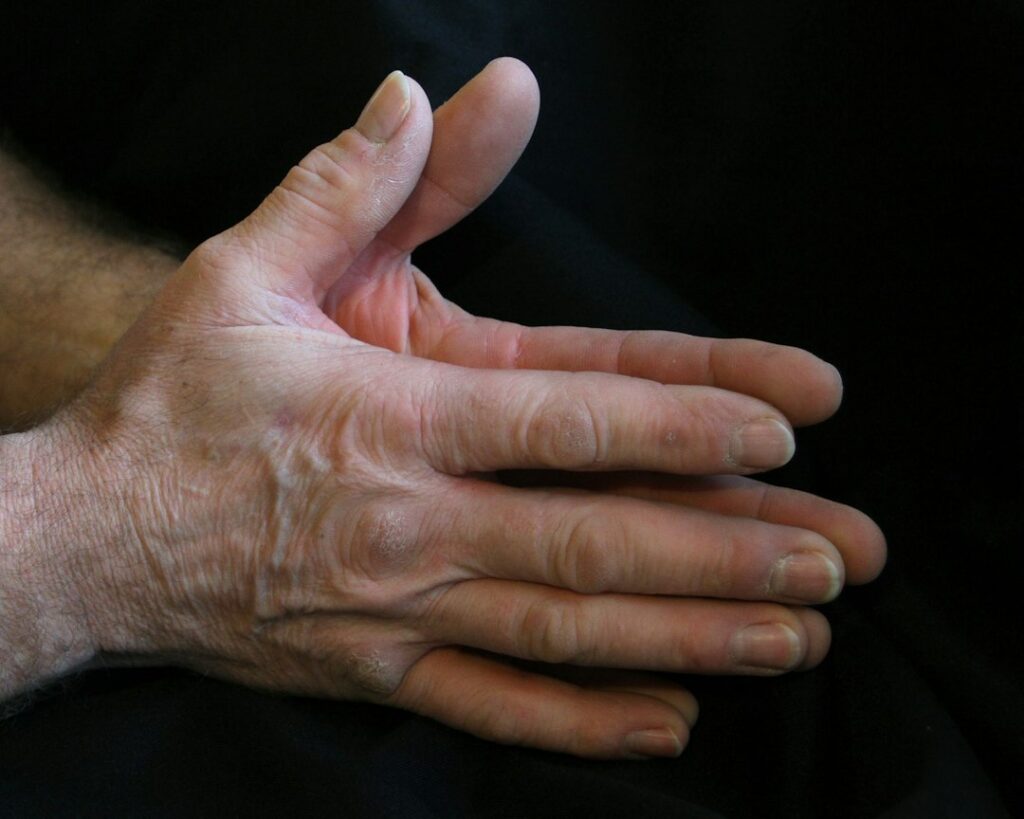
Joint cracking is common, and the sound alone usually does not mean a joint is damaged. Knuckles, knees, shoulders, ankles, and the spine can all make popping, clicking, or grinding noises for different reasons. The more useful question is whether the noise occurs with pain, swelling, weakness, stiffness, or loss of normal movement.
For residents of Montgomery, NY, joint noises may become more noticeable during seasonal changes, outdoor work, winter activities, long periods of sitting, or physically demanding household tasks. Understanding the difference between harmless sounds and warning signs can help prevent unnecessary worry while encouraging appropriate care when symptoms deserve attention.
Why do joints crack or pop?
Most harmless joint sounds come from normal movement inside or around the joint. A joint is surrounded by a capsule containing lubricating fluid. When the joint is stretched or moved, pressure can change within that fluid, allowing small gas bubbles to form or shift. That pressure change may create a popping or cracking sound.
Other noises come from soft tissues moving over nearby structures. A tendon or ligament may briefly shift as a joint bends and then return to its usual position. This can create a snapping sensation, particularly around the shoulder, hip, knee, or ankle.
The term *crepitus* describes crackling, grating, or grinding sounds. Crepitus can be harmless, especially when it is painless and occasional. It may also occur when cartilage or other joint tissues have changed because of aging, previous injury, repetitive stress, or arthritis.
Is cracking your knuckles harmful?
For most people, occasional knuckle cracking does not cause arthritis. The sound is generally related to pressure changes within the joint rather than bones being damaged or rubbed apart.
Cracking should not be forced. Pulling aggressively on a finger, bending it beyond a comfortable range, or repeatedly applying excessive pressure can irritate the joint or surrounding tissues. This is more concerning if the habit causes soreness, swelling, reduced grip strength, or persistent tenderness.
A painless pop that occurs naturally during normal hand movement is usually less concerning than a painful crack that follows an injury.
Is it safe to crack your neck or back?
Gentle, occasional movement that produces a natural pop is different from forceful or repetitive self-manipulation. The neck contains joints, muscles, nerves, blood vessels, and other sensitive structures, so forceful twisting is not risk-free.
Repeatedly trying to make the neck crack may irritate muscles and joints, particularly if the movement is abrupt or performed at the end of the available range. Neck cracking should stop if it causes pain, dizziness, headache, numbness, tingling, weakness, visual changes, or discomfort that travels into an arm.
A sudden severe headache, unusual neck pain, weakness on one side, trouble speaking, or other neurological symptoms requires urgent medical attention rather than additional stretching or manipulation.
Does joint cracking mean arthritis?
Not by itself. Joint noise is only one possible finding and cannot diagnose arthritis. Arthritis is more likely to involve a pattern of symptoms such as pain with activity, stiffness after rest, swelling, reduced motion, or symptoms that gradually become more limiting.
Knee grinding may be noticed in people with changes behind the kneecap, previous injuries, or age-related cartilage changes. However, many people have noisy knees without significant disease. A painless clicking knee that bends and straightens normally is generally different from a knee that locks, gives way, swells, or becomes painful while walking.
The location, timing, and associated symptoms matter more than the sound alone.
When should a popping joint be checked?
A joint noise deserves medical evaluation when it is accompanied by any of the following:
- Pain that persists or is getting worse
- Swelling, warmth, redness, or bruising
- A recent fall, collision, twist, or other injury
- Locking, catching, or an inability to fully straighten the joint
- Repeated giving way or a feeling of instability
- Weakness, numbness, or tingling
- A noticeable change in walking, lifting, gripping, or daily activities
- Fever or feeling generally unwell along with a hot, swollen joint

Urgent evaluation is appropriate after a serious injury, especially when a joint appears out of place, normal weight-bearing is impossible, or there is numbness or loss of feeling.
A joint that is hot, swollen, very painful, and associated with fever may indicate an infection or another condition requiring prompt attention.
What can make joint sounds more noticeable?
Joint noises may stand out after periods of inactivity. Sitting for a long time, working at a desk, driving, or resting indoors during colder weather can make the first few movements feel stiff or noisy. In the community, seasonal tasks such as snow removal, yard work, home maintenance, and recreational activity can also place unusual demands on joints that are not used to that level of effort.
Muscle tightness, changes in activity, old injuries, and poor movement coordination can affect how tendons and joints glide. This does not mean the joint is being damaged each time it makes a sound, but a sudden change in noise combined with pain should not be ignored.
What should someone do about harmless joint cracking?
Painless joint noises usually do not require treatment. Helpful habits include regular movement, gradual warmups before strenuous activity, reasonable breaks from prolonged sitting, and exercises that build strength and control around the affected area.
Avoid repeatedly forcing a joint to crack. If a movement feels relieving only for a few seconds and the urge returns frequently, the underlying issue may be stiffness, muscle fatigue, poor positioning, or another source of discomfort rather than a need to “put the joint back in place.”
For mild soreness after activity, reducing the aggravating task temporarily, using a wrapped cold pack for a short period, and returning to comfortable movement may help. Complete inactivity for long periods can increase stiffness, so movement should generally remain within a comfortable range.
What does a chiropractor evaluate when joints make noise?
A careful musculoskeletal evaluation considers more than the sound. Relevant factors include how the joint moves, whether nearby muscles are weak or tight, whether symptoms began after an injury, and whether pain travels into an arm or leg. Posture, work demands, exercise habits, sleep position, and repeated movements may also provide useful clues.
Joint manipulation is not automatically appropriate for every person or every noisy joint. A qualified clinician should first consider symptoms, medical history, medications, recent injuries, bone health, and warning signs. Some conditions require evaluation by another type of healthcare professional or diagnostic testing rather than manual treatment.
The central distinction is simple: noise without symptoms is often normal; noise with pain, swelling, instability, neurological symptoms, or injury deserves attention. Listening to the full pattern is more useful than judging the joint by sound alone.
